A Legacy of Efficiency and Ingenuity
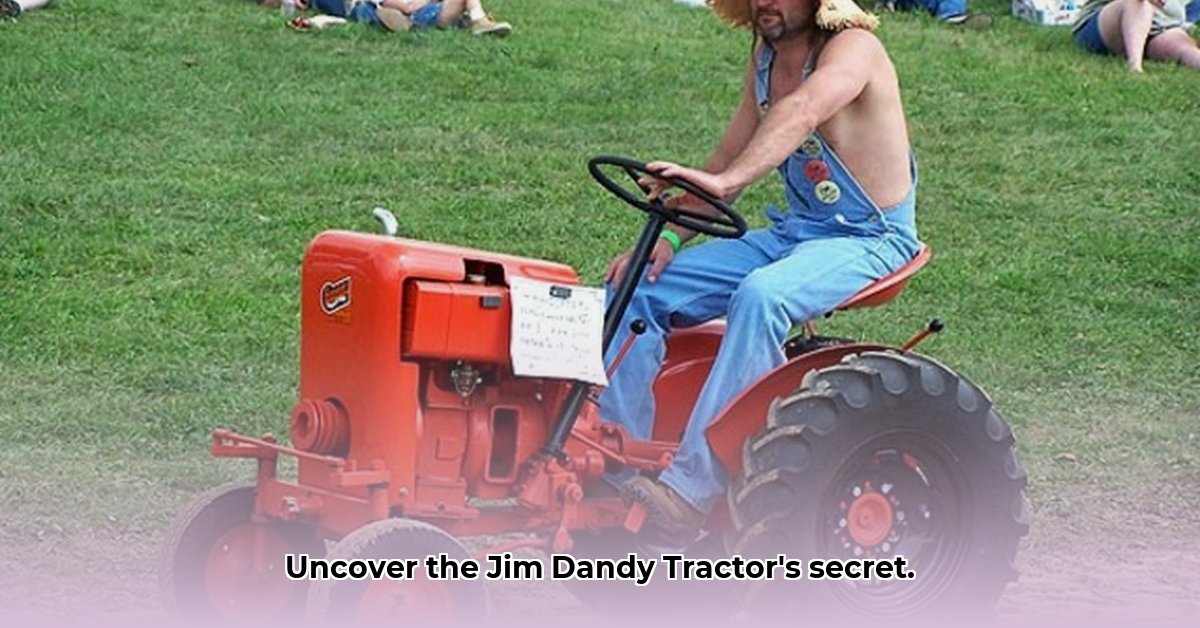
The sun beat down on Farmer McGregor's weathered face as he expertly guided his Jim Dandy tractor across the sun-drenched field. The rhythmic chug of the engine—a familiar, comforting sound—was a testament to years of reliable service. This wasn't just a machine; it was an extension of his family's legacy, a symbol of their commitment to sustainable farming. The Jim Dandy tractor, often overshadowed by its larger, more modern counterparts, quietly revolutionized agriculture, especially for small-scale farmers, proving that sustainable practices could be both practical and effective. But how did this unassuming machine achieve such a lasting impact? For more tractor history, check out this website.
Born from the post-World War II ingenuity of the Engineered Products Company, the Jim Dandy – initially marketed as the "Economy" tractor – was designed for those who worked the land with grit and resourcefulness. This wasn't a tractor meant for massive industrial farms; it prioritized affordability and efficiency for smaller operations, effectively democratizing mechanization within the farming community. Its compact design and relatively low horsepower (often featuring 14 horsepower Kohler engines) meant reduced fuel consumption and, importantly, minimized soil compaction—a significant benefit for sustainable farming practices.
Did you know that reduced soil compaction is crucial for healthy soil structure and water retention? This seemingly small design detail speaks volumes about the long-term sustainability of the Jim Dandy’s approach. The later rebranding to "Power King" better reflected its capabilities, highlighting its power despite its efficient design.
The simplicity of the Jim Dandy's design was a key factor in its success and sustainability. Fewer parts meant fewer potential points of failure, easier and quicker repairs, and less waste during manufacturing. This minimalist approach is a valuable lesson for modern agriculture—prioritizing durability and functionality over constant upgrades and unnecessary features.
"The Jim Dandy's versatility was unmatched," recalls John Miller, a lifelong farmer from Iowa. "With the right attachments, it could handle almost anything—plowing, tilling, mowing—making it a true year-round workhorse." This versatility further enhanced its sustainability, reducing the need for specialized equipment and minimizing the overall environmental impact.
Beyond the technical aspects, the Jim Dandy's story is intertwined with the human experiences of those who relied on it. Generations of farmers, including Miller, have fond memories of their families' Jim Dandys, highlighting the machine's role not just as a tool, but as a partner in their work, symbolizing resilience, resourcefulness, and a deep connection to the land.
"My grandfather used his Jim Dandy for over 25 years," shares Sarah Johnson, a historian specializing in agricultural technology. "It's a testament to its quality and the ingenuity of the design. You wouldn't find that level of reliability in many modern machines."
Assessing the Environmental Footprint: A Nuanced Perspective
While the Jim Dandy's legacy of sustainable practices is undeniable, it's crucial to acknowledge the complexities of assessing its long-term environmental impact. While its durability and reduced fuel consumption compared to its larger contemporary counterparts were significant advantages, its older engine technology implies inherent differences in greenhouse gas emissions. Furthermore, potential oil leaks pose a risk of soil and water contamination, demanding responsible maintenance practices.
To fully grasp the environmental equation, we need to analyze several factors:
Fuel Consumption: Accurate tracking of fuel usage is critical. While the Jim Dandy was more efficient than many of its contemporaries, comparing its fuel efficiency per acre cultivated to that of modern tractors provides a clearer picture of its impact.
Maintenance and Lubricants: Regular maintenance is paramount. Implementing preventative measures to minimize oil leaks and using biodegradable lubricants whenever possible are essential components of responsible use.
Lifespan and Repairs: The remarkable longevity of the Jim Dandy offsets the environmental cost of manufacturing. Repairing and maintaining the tractor significantly extends its lifespan, thereby reducing the environmental impact associated with frequent replacements.
Sustainable Fuel Alternatives: Exploring the use of sustainable fuels like biodiesel can further minimize the machine's carbon footprint. Research into engine retrofits compatible with alternative fuels is crucial for improving sustainability further.
Soil Compaction Comparison: The impact of the Jim Dandy's weight and design on soil compaction is an area of ongoing research, demanding a thorough comparison between it and other machines.
The Jim Dandy Today: A Case Study in Sustainable Farming
The Jim Dandy’s contribution to sustainable farming is context-dependent. Its smaller scale and reduced fuel needs make it suitable for smaller farms and niche agricultural practices, like market gardening or organic farming. However, its limitations in fuel consumption and potential for environmental impact regarding leaks mean it's less suitable for large-scale operations. This highlights how the concept of sustainability involves careful consideration of various factors.
The future of the Jim Dandy and similar vintage tractors lies in responsible usage, maintenance, and continuous innovation. This includes exploring engine improvements, researching sustainable fuel solutions, and promoting a culture of responsible ownership among enthusiasts. The Jim Dandy serves as a valuable case study, reminding us that sustainability is a continuous conversation, integrating both historical context and future innovation.